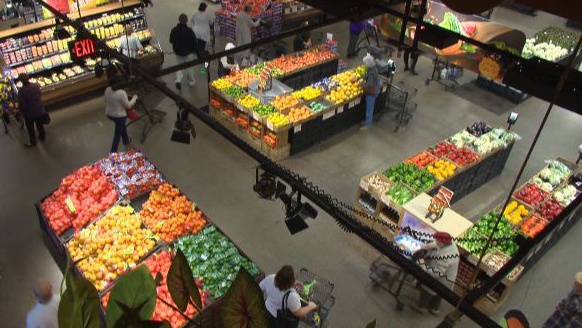
The average consumer throws away 10 percent of food purchased at grocery stores.
TUCSON, Ariz. - How often do you throw away vegetables, fruits, milk, bread or meat?
It turns out more often than you think and it’s costing hundreds of dollars.
"Forty percent of the food that we grow in this country ends up in landfills," said Victoria Ligon, a University of Arizona graduate student who conducted astudy on food waste.
When she found that statistic, she instantly became fascinated with thrown-away groceries.
"I could not believe that the statistic could be that high," she said. "Everybody, when they think about food waste, they think about grocery stores and sometimes restaurants and that’s the first thing that pops into their head is, ‘Oh the horrible grocery stores. They have these dumpsters full of food in the back.’ But as I got interested and started reading more about this topic, it turns out that consumers are throwing away the bulk of that food."
That's any perishable items. When a consumer buys in bulk they think they're saving money, but all of the excess thrown away may be costing them more.
"Consumers on average throw away 10-percent of their annual food purchases," Ligon said. "For the average individual that's $400 a year. For a family of four, that's $1,000 a year. People have really great intentions when they’re shopping. They tend to buy lots of produce with the hope that they’re going to eat salad, but then when it actually comes to dinner time they’re tired, they’ve had a long day. They pull out the microwavable dinner."
So how do we fix it?
According to Ligon, it starts with changing shopping patterns and frequency of shopping. She recommends shopping for only a few days of dinner versus once a week or once every two weeks. She also says for consumers to meal prep and stick to the plan.
"The main takeaway from my research: it’s much more efficient to shop from a food waste perspective than a money waste perspective," she said. "If you’re shopping for dinner tonight, you’re pretty likely to have an accurate picture with what you’re family might eat tonight."
She also recommended downloading Cook Brite, a helpful app that keeps track of all the food in the house and recommends recipes.
Her next study is looking at the planning habits for consumers who grocery shop frequently.
Copyright 2016 KPNX